
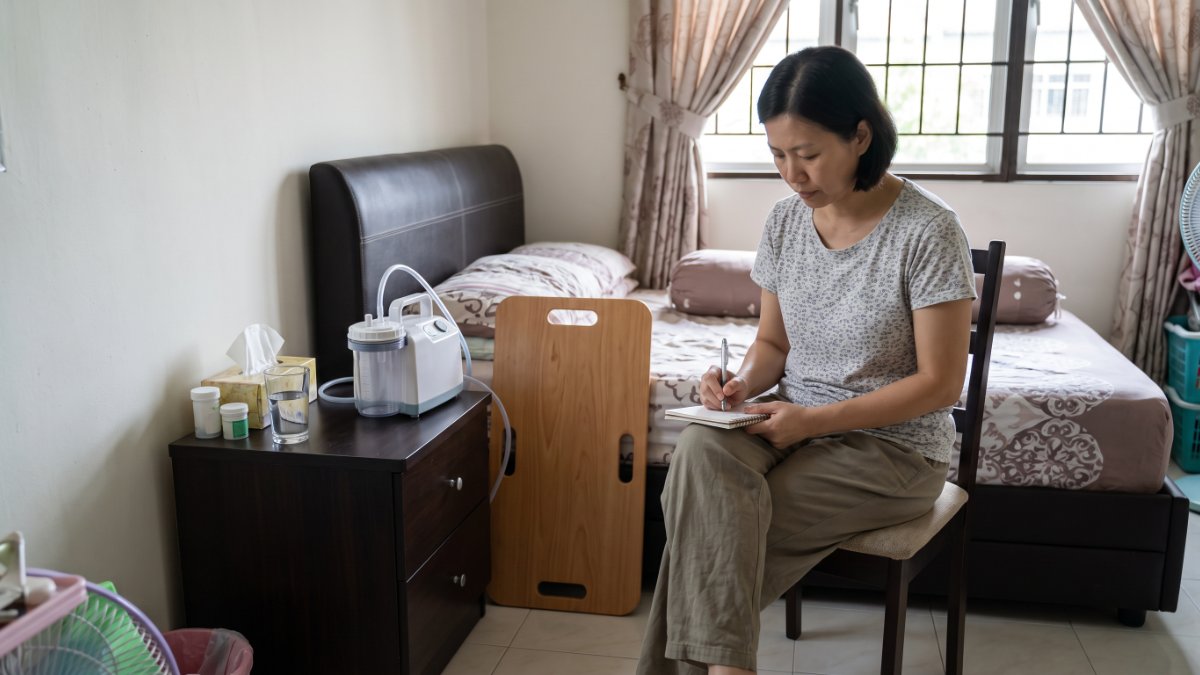
Medical devices used at home only help when everyone in the household uses them the same way. A suction pump, a transfer chair or a transfer board can make daily care safer. Without a clear routine, though, small mistakes creep in. At Neolee Rehab Supply, we suggest one simple checklist that covers the first setup, cleaning and the records you keep.
This guide is written for families and home carers. It gives practical equipment information, not medical advice. The doctor, nurse or therapist who knows the person should always decide how a device is used in their care.
Know What Each Device Is For Before Day One
Our medical devices range mainly covers equipment for moving and handling a patient, plus a portable suction pump. Each item does one main job. Knowing that job before delivery stops a device from being used for the wrong task.
Before the device arrives, ask the care team three questions and write down the answers:
- What exactly will this device be used for, and for whom?
- How often will it be used each day?
- What should we do if it does not work as expected?
Keep the answers somewhere everyone can see them. A sheet taped inside a cupboard door works well.
Set Up a Fixed Place for Each Device
Every device needs a home in the house. When it always sits in the same spot, carers find it quickly and notice sooner if something is missing.
The suction pump
Our Portable Phlegm Suction Pump is an oil-free suction device used to help clear the airway. It weighs 3.6kg and has adjustable suction levels with overflow protection. Overflow protection is a feature that helps stop fluid from reaching the motor.
Place it on a stable, flat surface near the bed and close to a plug point. Keep the tubing and spare parts in a clean, closed box beside it. Only use the suction settings the nurse or doctor has shown you, and ask them to train each carer before first use.
Transfer equipment
Moving a person from bed to chair is one of the riskiest parts of home care, for both the person and the carer. Plan where each transfer aid will be stored, so nobody is tempted to skip it when they are in a hurry.
Our Neo Multi Purpose Patient Transfer Chair 3.0 works as a transfer chair, a wheelchair and a commode in one. It is designed to reduce the risk of caregiver injury during transfers. Because it does three jobs, check that there is enough clear floor space beside the bed and in the bathroom for it to move.
Learn the Device Together, Not One by One
In many homes, one person learns the device and then teaches the others from memory. Details get lost that way. A better approach is to learn together.
Ask the care team or the trainer to show every regular carer at the same time. This includes family members, part-time helpers and anyone who covers at weekends. Each person should then try the device while the trainer watches.
Take short videos on your phone during the training, if the trainer agrees. A two-minute clip of the right steps is easier to follow than a long manual.
Clean by the Instructions, Every Time
Cleaning is where devices are most often damaged. The wrong cleaning product can crack plastic, wear away a coating or ruin a seal. Always follow the cleaning section of the manual for that exact model.
A few habits help across most devices:
- Unplug any powered device before cleaning, unless the manual says otherwise.
- Use a damp cloth, not a dripping one, so water does not get inside.
- Let every part dry fully before you put it away or plug it back in.
- Keep single-use items separate and never reuse them.
Transfer aids need cleaning too, because they touch the person’s skin and clothing. Our Neo Wing Transfer Board is a wing-shaped board made of high-strength polymer, with a 130kg weight capacity. Its smooth surface is what lets a person slide across, so wipe it clean and check it for cracks before each use.
Keep Simple Records That Others Can Follow
Records sound like extra work, but they save time when something goes wrong. They also help when a new carer takes over or when you speak to the doctor.
What to write down
A simple notebook or a shared phone note is enough. Record:
- The date and time a device was used, if the care plan asks for it.
- Any problem you noticed, such as a strange noise or a part that felt loose.
- Cleaning done, and when parts or consumables were replaced.
- Any advice the doctor, nurse or therapist gave about the device.
Paperwork to keep in one folder
Keep the manual, the receipt, the warranty card and the model and serial number together. When you need help, these details let us or the maker identify the device quickly.
Check Handling Aids Before Each Use
Soft handling aids are easy to overlook because they have no moving parts. They still wear out with regular washing and use.
Our Patient Transfer Sheet is a reinforced, multi-handle aid made of durable, low-friction nylon. It is used for sideways transfers and repositioning in bed. Before each use, look for torn stitching, frayed handles or thin patches. A sheet that tears halfway through a transfer can cause a fall.
If any device is damaged, stop using it. Put a clear note on it so nobody else picks it up, then contact us or the maker for advice.
Plan for the Day a Device Fails
Every device can fail, so agree on a backup plan in advance. Ask the care team what to do if the suction pump stops working, or if a transfer aid breaks.
Write the steps on the same sheet as your device notes. Include phone numbers for the care team and for us. If the person shows signs of breathing trouble, a fall with injury or sudden confusion, call 999 for emergency help first.
Frequently Asked Questions
1. What does Neolee’s Medical Devices category include?
It mainly includes patient transfer and handling aids, such as transfer chairs, boards and sheets. It also includes the Portable Phlegm Suction Pump.
2. Who should be trained to use a home suction pump?
Every carer who may need to use it should be trained by a nurse or doctor. Use only the settings they show you.
3. Can I clean devices with any household disinfectant?
Not always. Some products can damage plastic or seals, so follow the cleaning section of the manual for that exact model.
4. Why should I keep records of device use and cleaning?
Records help carers hand over care clearly. They also help the care team and supplier understand any problem quickly.
5. What should I do if a transfer sheet or board looks damaged?
Stop using it straight away and label it so nobody else uses it. Then contact us or the maker for advice on repair or replacement.

